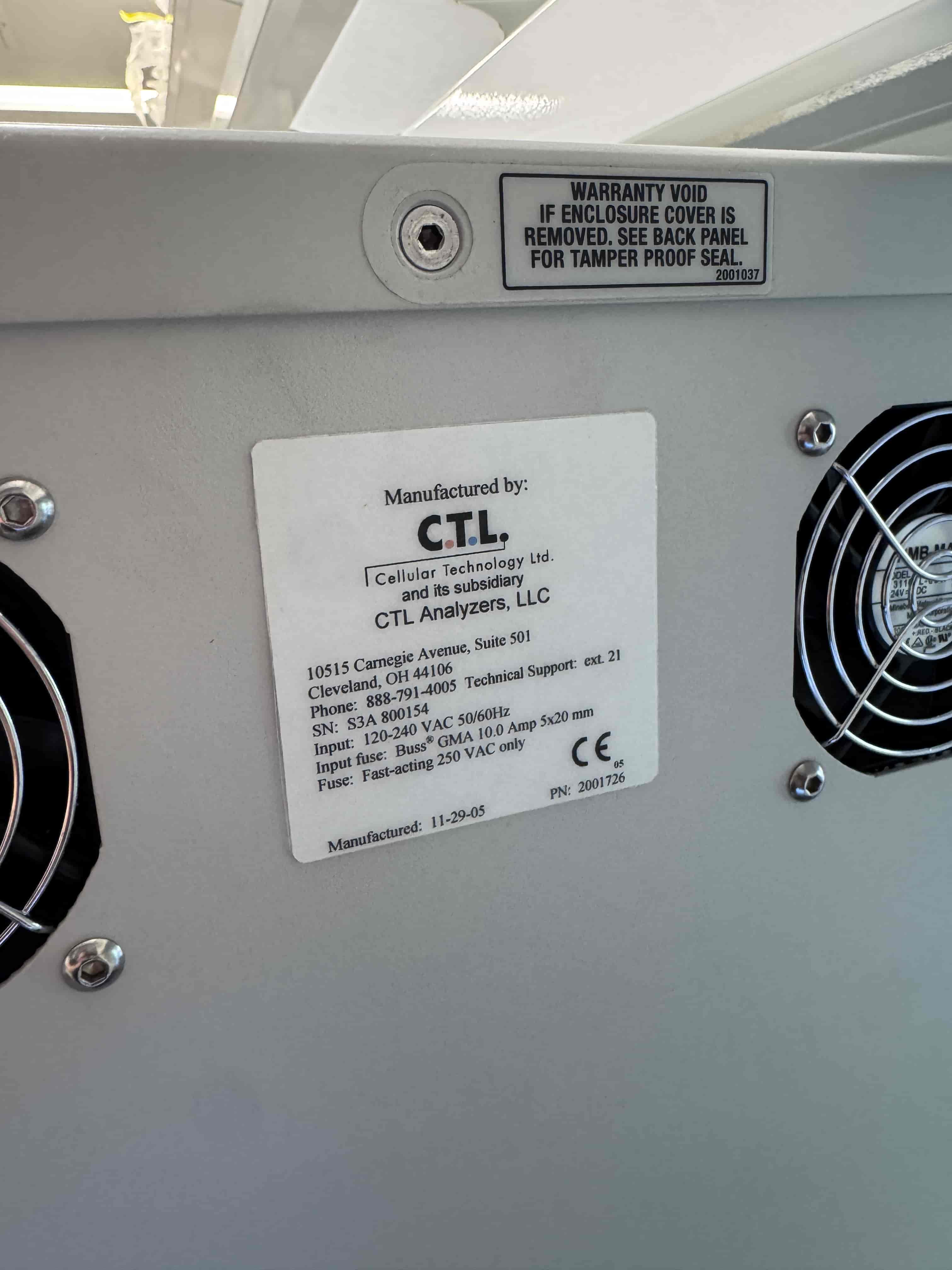
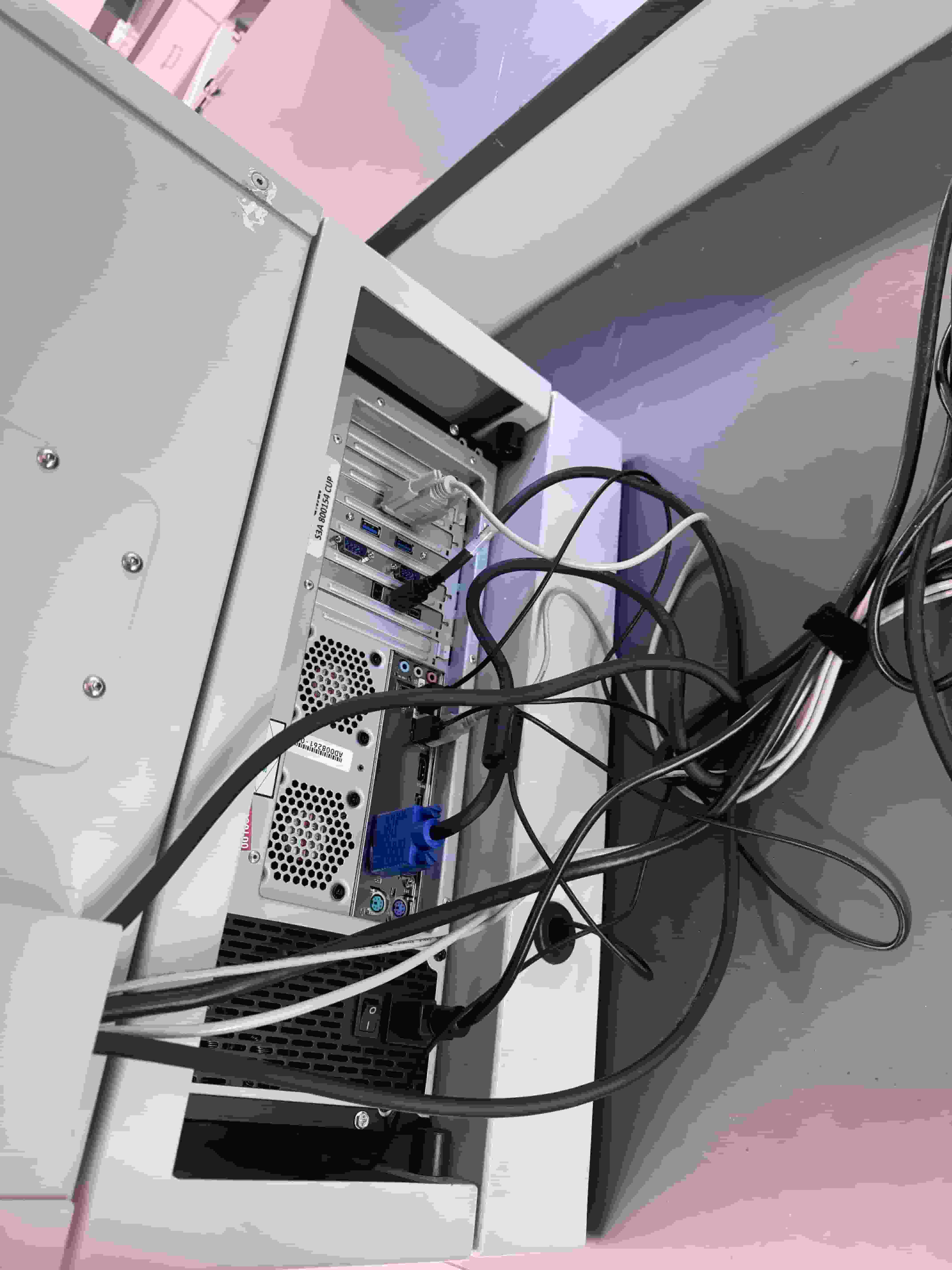
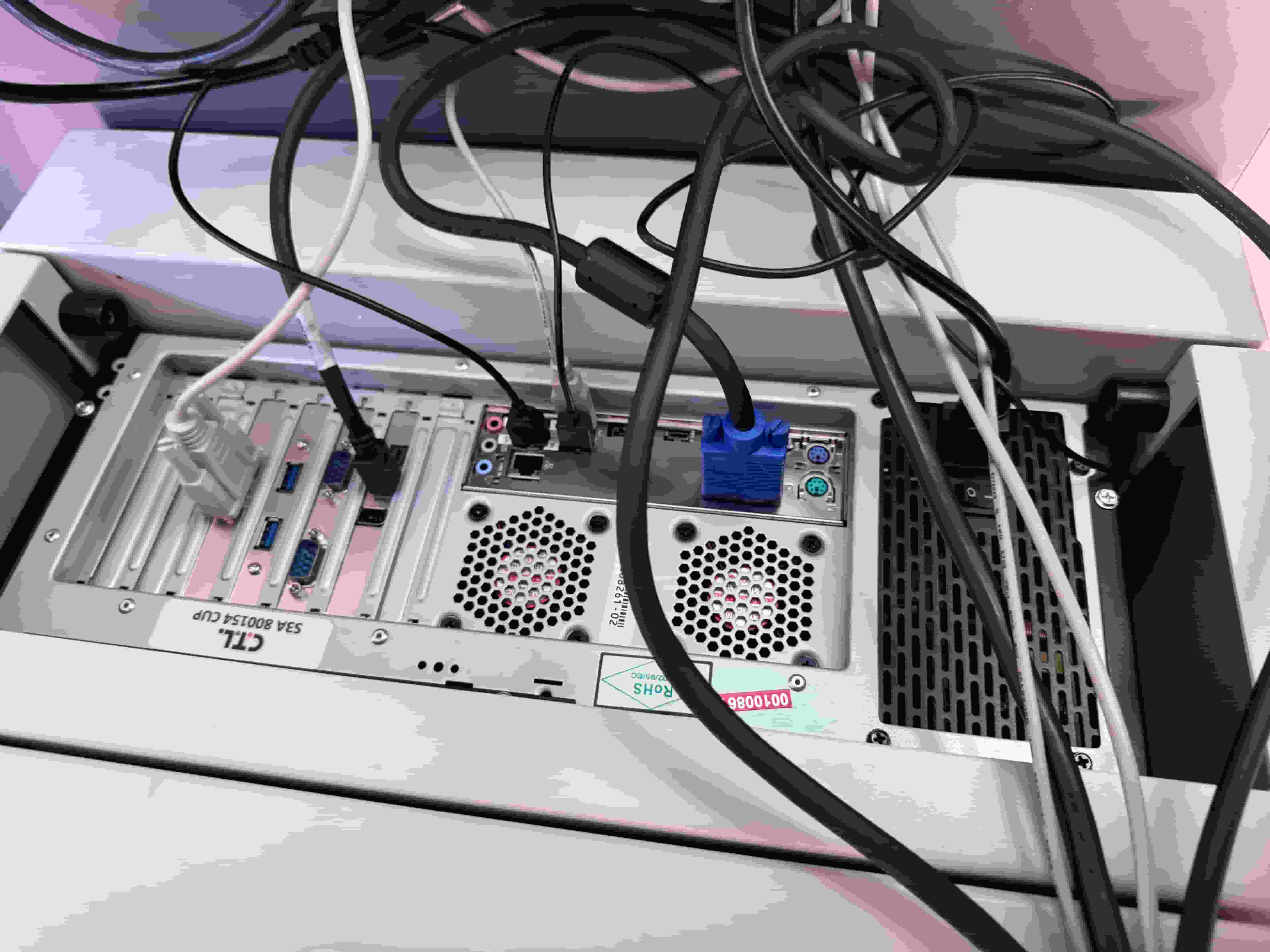
Device built-in
Cellular Technology (CTL) ImmunoSpot Analyzer (Year 2005) – A Key Tool for Cellular Immunology Research
In the life sciences field of the early 21st century, as research on the immune system deepened, there was a pressing need for techniques capable of precisely quantifying and analyzing the function of specific immune cells. The Cellular Technology (CTL) ImmunoSpot Analyzer (commonly referred to as the CTL ImmunoSpot Imager), born in 2005, was an outstanding product of this era. It integrated precision optics, automation control, and early digital image analysis technology, becoming a vital bridge connecting experimental cell biology with clinical immunology research at the time.
I. Core Principle: The Specialized Implementation of ELISPOT Technology
To understand the value of this instrument, one must first understand the core technology it served—the Enzyme-Linked ImmunoSpot (ELISPOT) assay. ELISPOT is a highly sensitive detection method used to count immune cells that, upon stimulation by a specific antigen in vitro, are capable of secreting specific cytokines (such as interferon-gamma) or antibodies.
The basic process is as follows: test cells are seeded into a microplate well pre-coated with a capture antibody. After antigen stimulation, signaling molecules secreted by the cells are immediately captured onto the membrane surrounding the cell. Following a staining reaction, distinct, visible "spots" form on the membrane—each corresponding to a single active immune cell.
The mission of the Cellular Technology (CTL) ImmunoSpot Analyzer was to automate the imaging, counting, and analysis of these spots objectively and accurately. It replaced traditional manual counting under a microscope, greatly improving the accuracy, throughput, and reproducibility of experiments.
II. Instrument Structure and Technical Features (Context: 2005 Technology)
As an integrated instrument from 2005, its design reflected the engineering wisdom of the time:
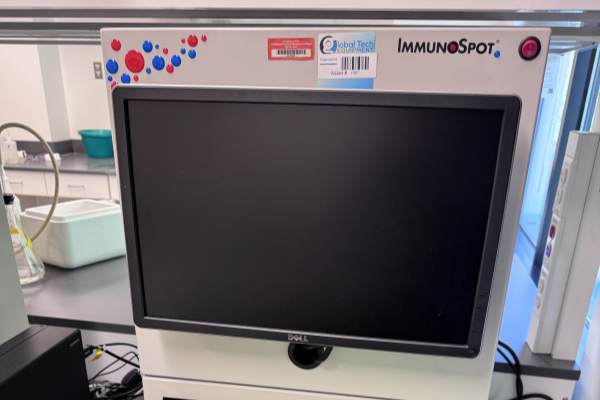
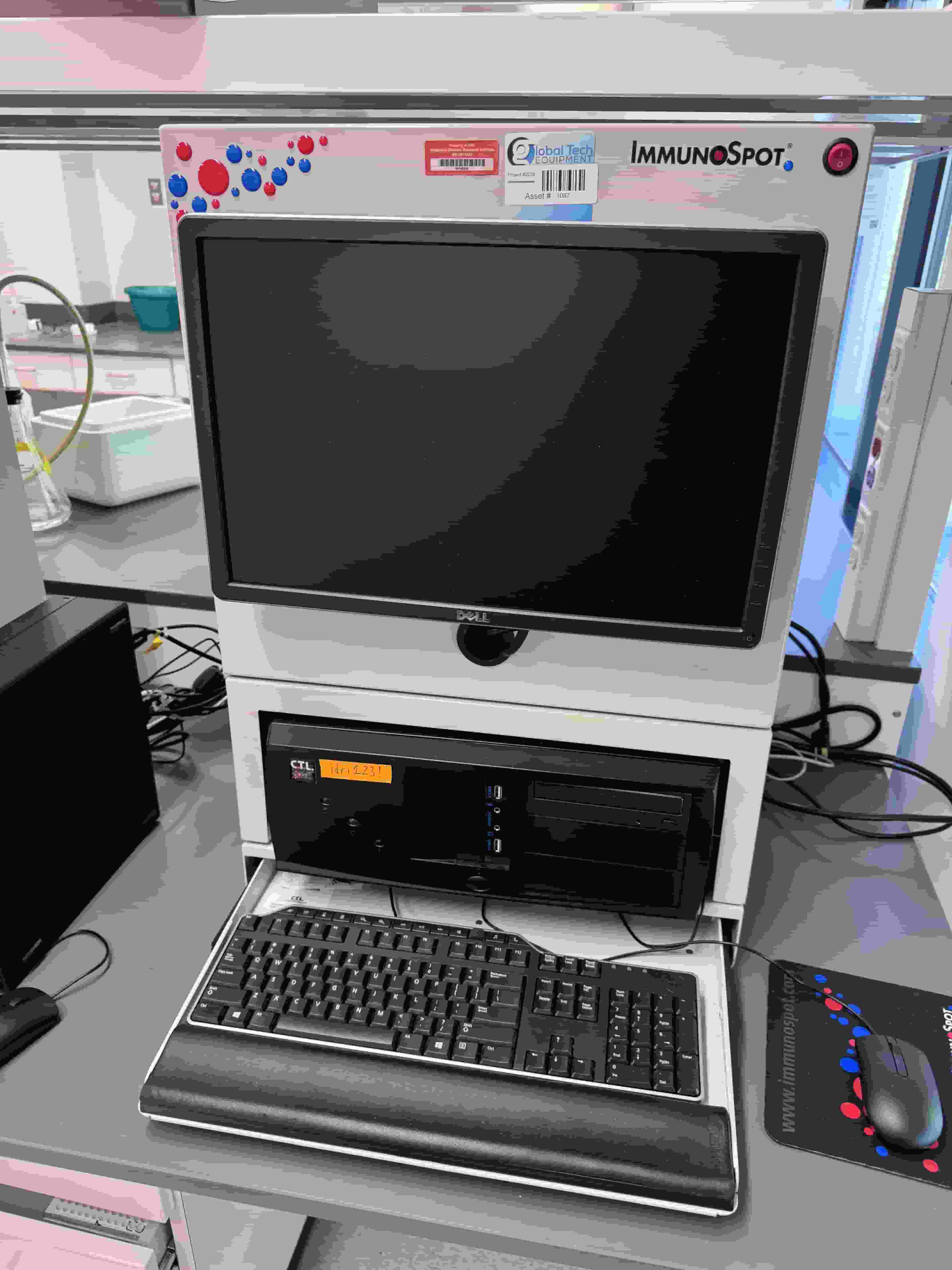
Integrated Design: The most notable feature was the "Built-in PC." Unlike the common modern setup with an external computer, it housed the imaging system, control unit, and data processing terminal within a single chassis. This design reduced cable clutter, saved valuable lab space, and enhanced overall stability. Users only needed a monitor, keyboard, and mouse to operate it, embodying the "specialized instrument" philosophy.
Imaging System:
Optics: It utilized a high-resolution, low-distortion CCD camera coupled with uniform epi-white light illumination, ensuring clear, shadow-free capture of spots across the entire membrane of each well, preventing counting errors due to uneven lighting.
Mechanics: It featured auto-focus and a motorized stage, enabling rapid, precise sequential scanning of each well in a 96- or 24-well plate according to preset protocols, generating high-quality digital images.
Built-in Analysis Software: This was the brain of the instrument. The software algorithms could automatically identify the boundaries of each well and distinguish true spots from non-specific staining or impurities based on size, shape, color intensity (grayscale value), and contrast against the background. Users could fine-tune the analysis sensitivity and specificity by setting threshold parameters, ensuring objective and reliable counting results. The software ultimately generated detailed reports including spot counts per well and spot size distribution statistics.
III. Application Value and Historical Significance circa 2005
Around 2005, this instrument primarily served the following cutting-edge fields:
Vaccine Development: Evaluating the ability of new vaccines (e.g., for AIDS, tuberculosis) to elicit antigen-specific T-cell immune responses. By detecting the number of T-cells secreting interferon-gamma, it directly measured the level of cellular immunity.
Tumor Immunology: Studying tumor-specific T-cell responses in cancer patients, providing critical data for the development of immunotherapies.
Autoimmune and Infectious Disease Research: Analyzing a patient's immune response to various pathogens or autoantigens.
Basic Immunology Research: Used in research and teaching for the quantitative functional analysis of different immune cell subsets.
At the time, automated analysis systems like the CTL ImmunoSpot Analyzer represented a significant advancement in immunology research technology. They freed researchers from the tedious, subjective, and fatigue-prone task of manual visual counting, making large-scale, high-quality ELISPOT testing feasible and significantly advancing the fields of immunology, vaccinology, and clinical research.
IV. Summary and Perspective
Viewed through a modern lens, the 2005 CTL ImmunoSpot Analyzer inevitably lags behind contemporary instruments in terms of image sensor resolution, processing speed, the intelligence of software algorithms, and user interface friendliness. However, as a specialized tool of its specific historical period, it excellently fulfilled its mission.
It was not merely a piece of hardware in the lab but an important milestone in the standardization and automation of ELISPOT technology. The core principles it embodied—automated imaging and intelligent analysis—remain the foundation for the development of related instruments today. Reviewing this instrument allows us to appreciate more deeply how technological evolution incrementally empowers scientific discovery, turning the impossible into reality.