Device built-in
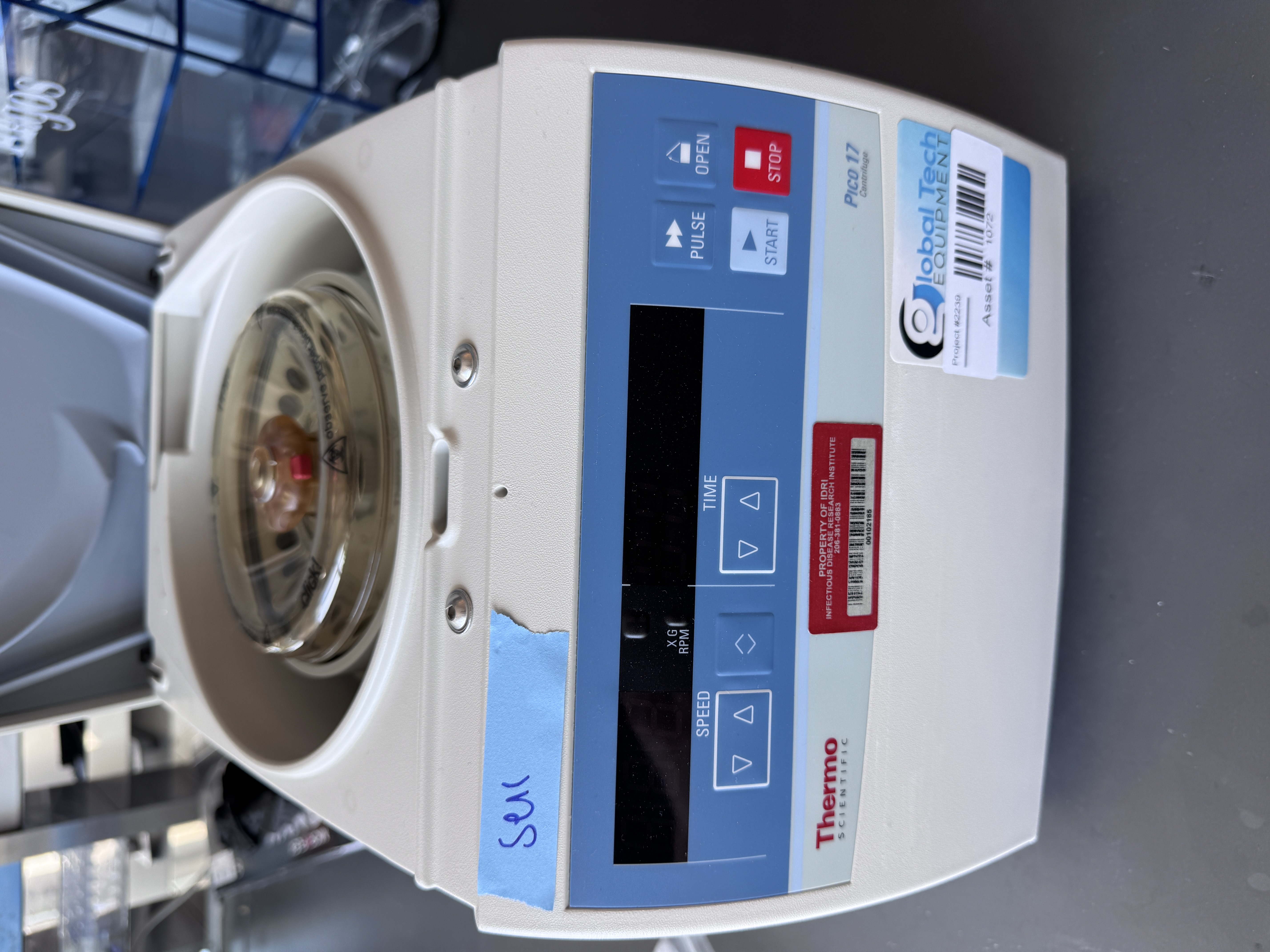
Thermo Fisher Scientific Thermo Pico 17 Microcentrifuge (with 24-place rotor) - An 800-word Introduction
Designed for Micro-samples: An In-depth Look at the Thermo Fisher Scientific Thermo Pico 17 Microcentrifuge (with 24-place rotor)
In cutting-edge life sciences laboratories such as molecular biology, biochemistry, and cell biology, centrifuges are indispensable core equipment. When experiments involve precious micro-samples, a centrifuge specifically designed for small volumes, offering excellent performance, safety, and reliability, becomes paramount. Thermo Fisher Scientific, a global leader in the scientific services sector, offers the Thermo Pico 17 Microcentrifuge. Particularly when equipped with its classic 24-place rotor, it stands as one of the "gold standards" for handling micro-samples.
1. Product Positioning and Core Advantages
The Thermo Pico 17 is a compact, powerful personal microcentrifuge. It is primarily designed for experimental workflows requiring frequent and rapid centrifugation of small volume samples, such as:
Molecular Cloning Experiments: DNA/RNA precipitation, quick spins of PCR products, restriction enzyme digests.
Protein Research: Supernatant collection from cell lysates, micro-precipitation of proteins.
Cell Culture: Quick spinning of PCR tubes and microtubes to collect liquid from tube walls or caps.
Clinical Testing: Pre-treatment of micro-samples like serum separation, urine sediment.
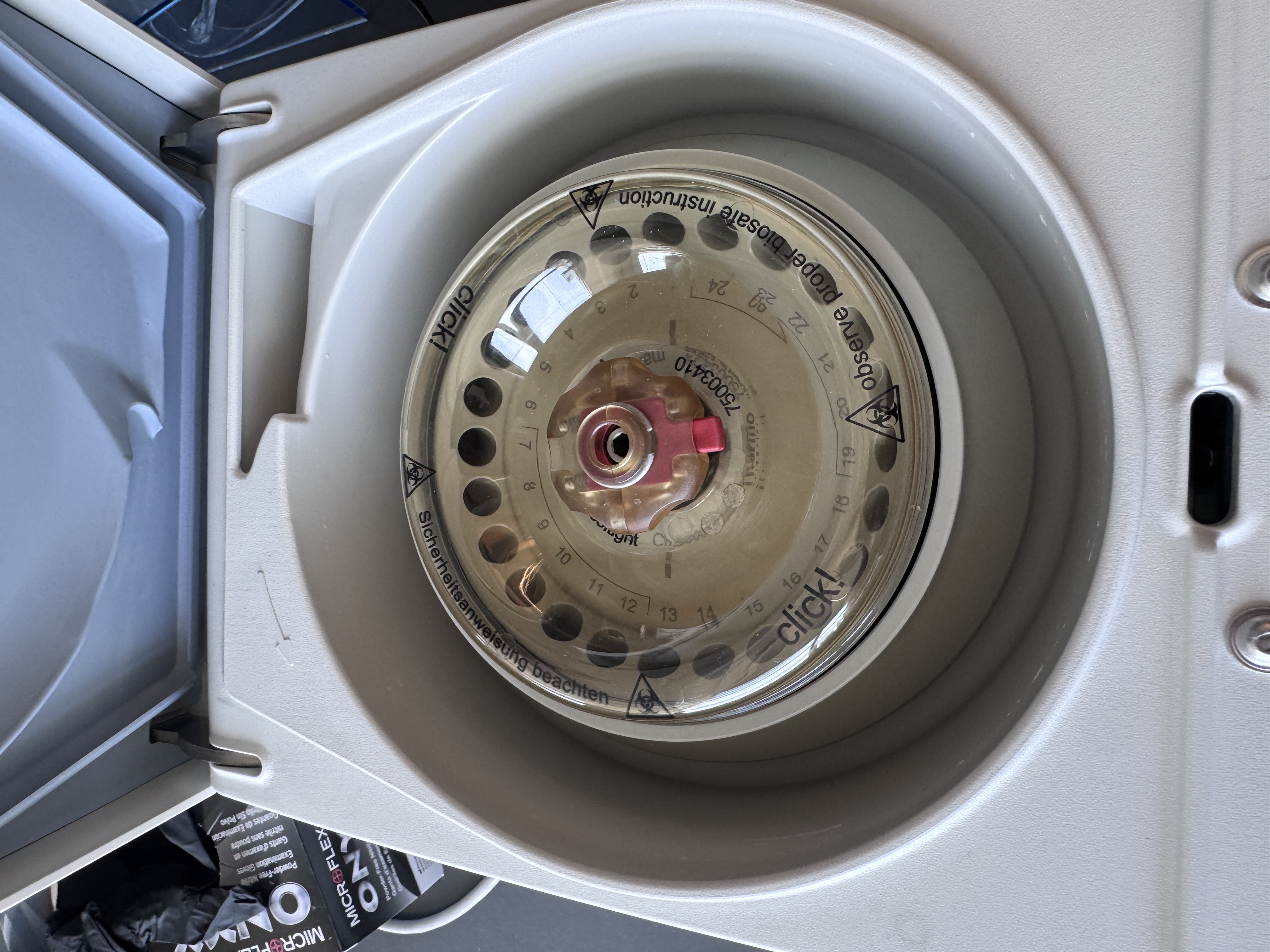
Its core advantages lie in its exceptional centrifugation efficiency, user-friendly design, and the safety and reliability consistent with Thermo Fisher's standards. The included 24-place rotor allows simultaneous processing of up to 24 standard 0.2 mL / 0.5 mL PCR tubes or microtubes, significantly enhancing efficiency for high-throughput screening or parallel experiments.
2. Technical Features and Performance Analysis
Powerful and Precise Centrifugation Performance:
Max Speed and Relative Centrifugal Force (RCF): The Pico 17 typically achieves a maximum speed of at least 14,000 rpm (specific models may vary slightly), generating over 16,000 x g of strong centrifugal force. This enables rapid precipitation, separation, and collection of samples, shortening experimental steps that would normally take minutes to just seconds or tens of seconds, significantly boosting workflow efficiency.
Rapid Acceleration and Braking: The unit features quick acceleration, bringing samples to the set speed rapidly. Users can also select different brake settings based on sample characteristics (e.g., to avoid disturbing pellets) for smooth deceleration, ensuring effective separation.
User-friendly and Intelligent Operation:
Intuitive Control Interface: It typically features a simple, clear control panel, often including a dedicated Short (quick spin) button for instant operation. Time and speed/RCF are easily set.
Tool-free Rotor Exchange System: This is a standout feature of the Pico series. Users can easily and quickly install or remove the 24-place rotor by hand, without any tools. This not only facilitates rotor cleaning and switching between different rotors but also greatly reduces the risk of damage from improper tool use.
Compact Footprint: Its small size allows it to be easily placed within laminar flow hoods, safety cabinets, or cold rooms, enabling operations in sterile or low-temperature environments and minimizing the risk of contamination or degradation during sample transfer.
Crucial Safety and Reliability:
Metal Housing and Rotor Recognition: The Pico 17 boasts a sturdy metal housing, ensuring durability and stability. Advanced rotor recognition technology automatically identifies the installed rotor type and sets the maximum allowable speed accordingly, fundamentally preventing potential safety incidents caused by rotor overspeeding.
Comprehensive Safety Protections: The unit includes a lid lock function, ensuring the lid remains securely closed during operation and only unlocks after the rotor has completely stopped, protecting the user. It also features an imbalance detection system that triggers an alarm or stops the run if the load is significantly unbalanced, safeguarding the rotor and motor.
Excellent Chemical Resistance: The rotor and tube holders are typically made of high-performance composite materials, resistant to corrosion from various common chemicals like acids, alkalis, alcohols, and ketones, extending their service life.
3. Application Scenarios for the 24-place Rotor
The included 24-place rotor is the "heart" of this centrifuge. It is compatible with most major brands of 0.2 mL 8-strip PCR tubes and 0.5 mL microtubes. This makes it ideally suited for:
High-throughput PCR Experiments: Quick spinning of 8-strip tubes after setting up reaction mixtures in a 96-well plate PCR protocol to collect liquid at the tube bottom.
DNA Sequencing Library Preparation: Synchronized purification, precipitation, and other steps for 24 samples during multi-step library preparation workflows.
Enzymatic Reactions: Quick spinning of master mixes before aliquoting into microplates.
4. Brand Value and Summary
Choosing the Thermo Fisher Scientific Thermo Pico 17 means more than just acquiring an instrument; it means accessing strong brand support, including a global technical service network, reliable product quality assurance, and continuous technical updates.
In summary, the Thermo Fisher Scientific Thermo Pico 17 Centrifuge (with 24-place rotor), with its efficient processing capability, user-centric design, top-tier safety features, and exceptional reliability, effectively addresses key challenges in micro-sample processing. It is not only a capable assistant on the lab bench but also a crucial foundation for ensuring accurate and reproducible experimental data—a trusted partner for researchers exploring the microscopic world.