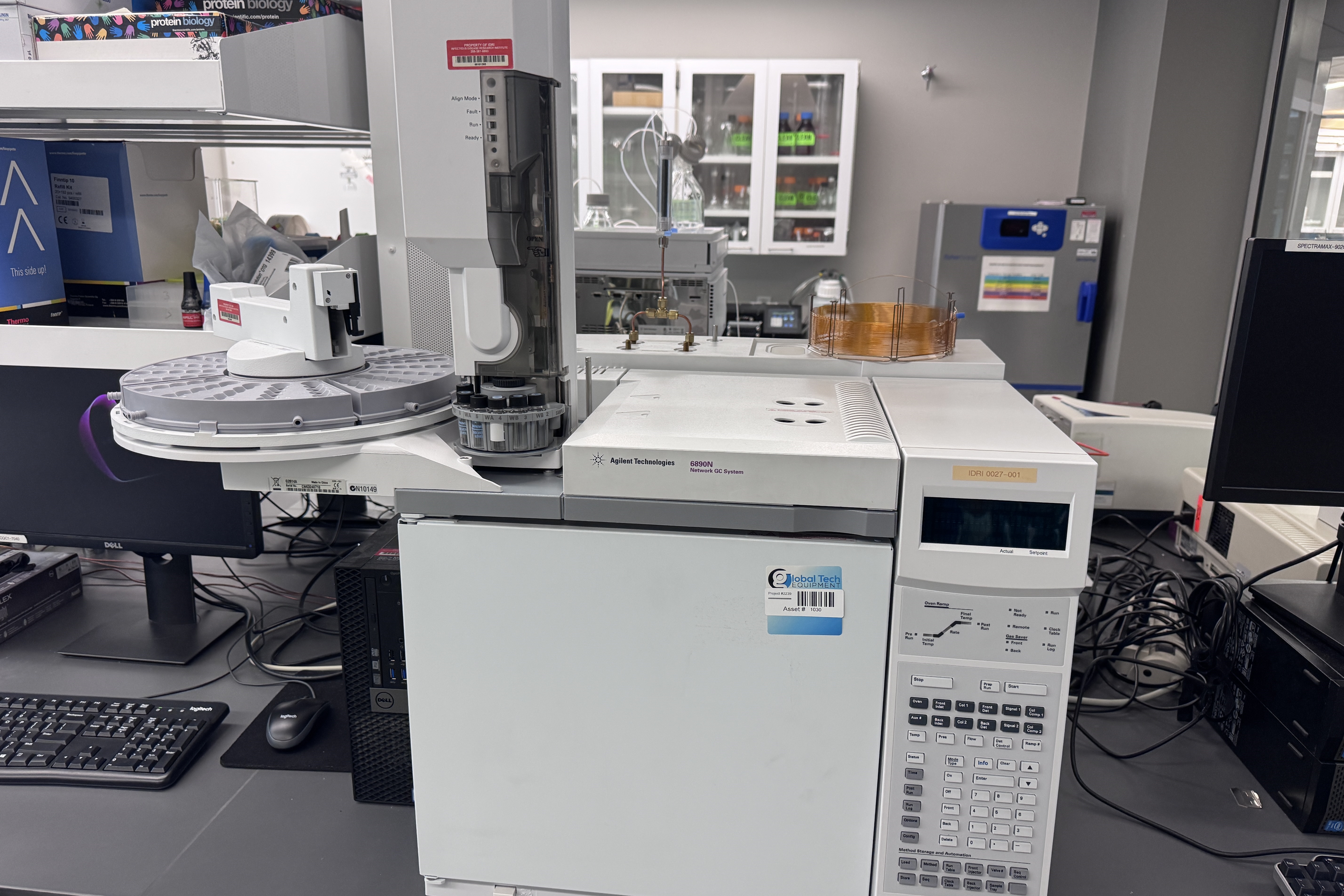
The Agilent 6890 Gas Chromatograph represents Agilent's classic mid-to-high end model, featuring Capillary Flow Technology (CFT)
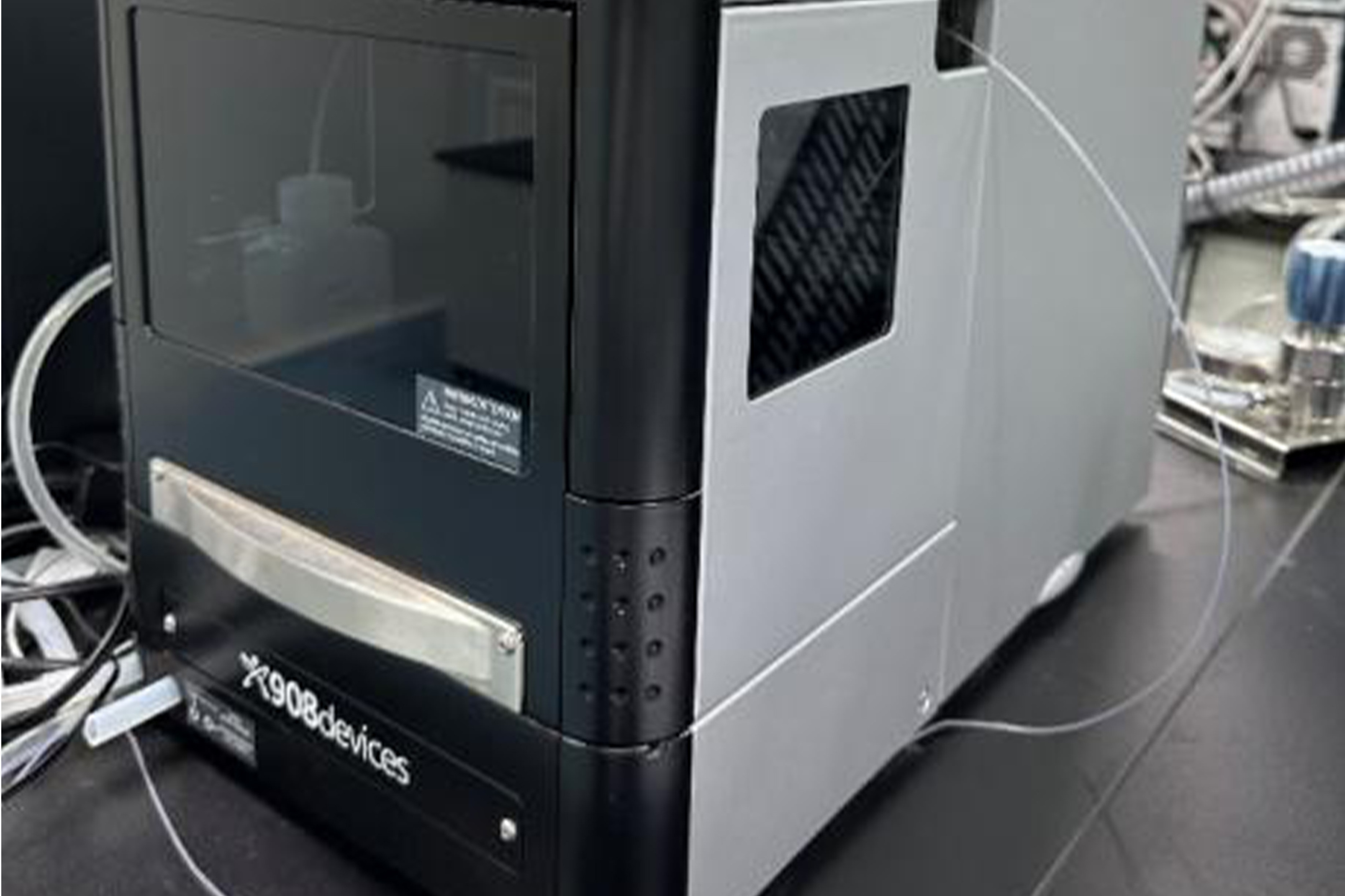
The 908 Devices ZipChip is a revolutionary microfluidic capillary electrophoresis-mass spectrometry interface that integrates traditional CE components (buffer system, separation channel,
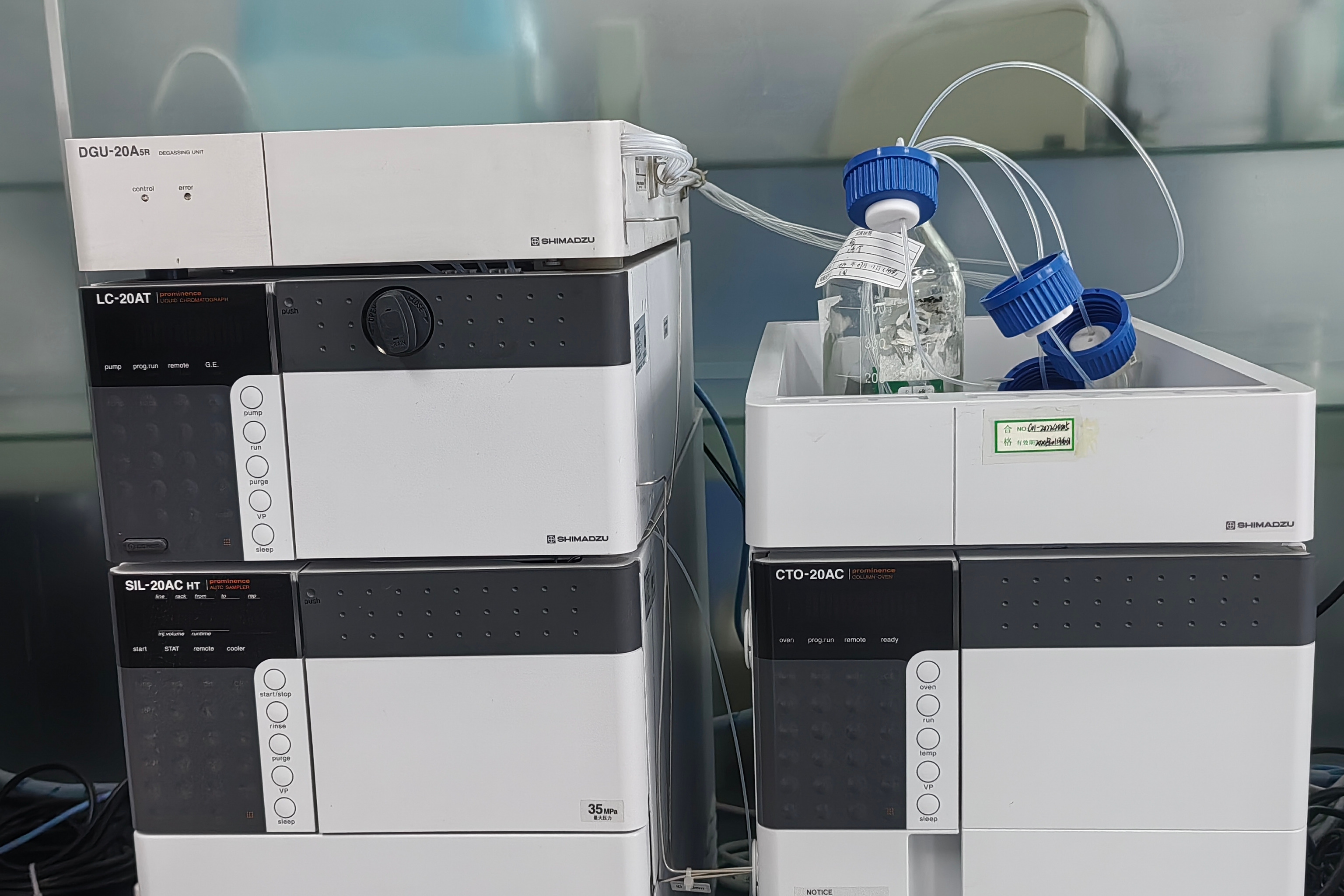
Due to project termination at a specialty pharmaceutical company, a batch of pre-owned laboratory equipment is available for sale, including this Shimadzu LC-20AT High Performance Liquid Chromatography (HPLC) system.
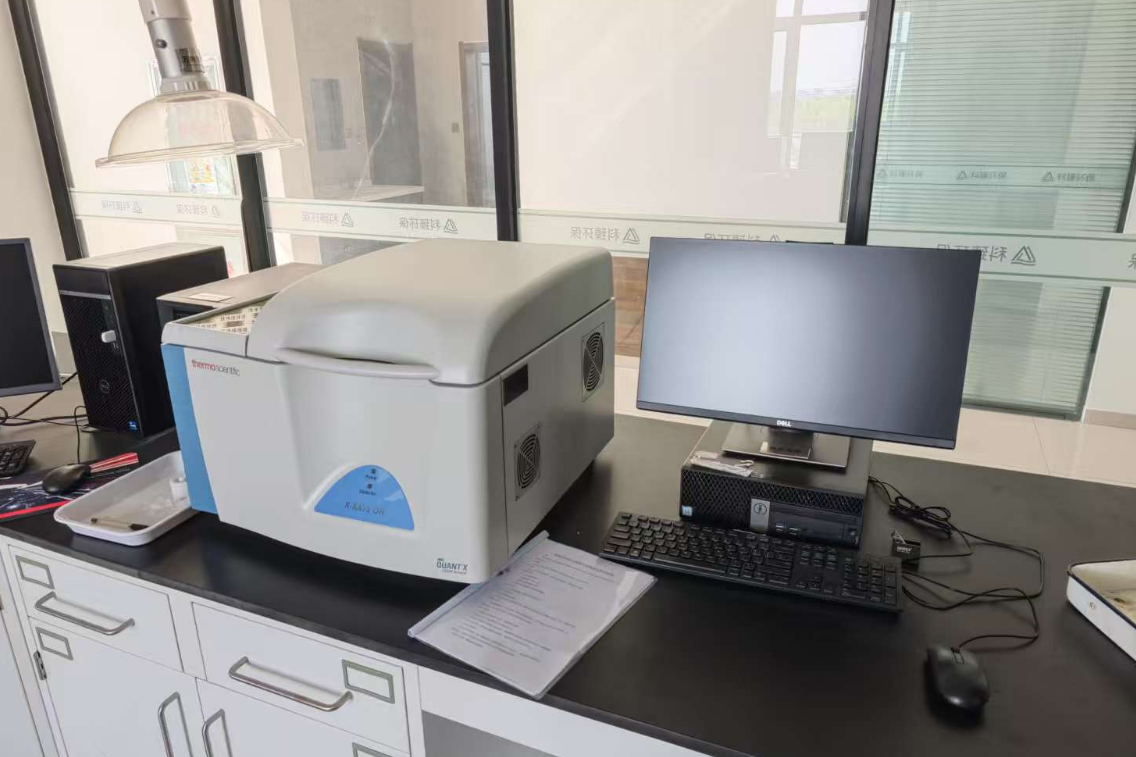
Thermo Scientific™ ARL™ QUANT'X Energy Dispersive X-ray Fluorescence Spectrometer Technical Analysis
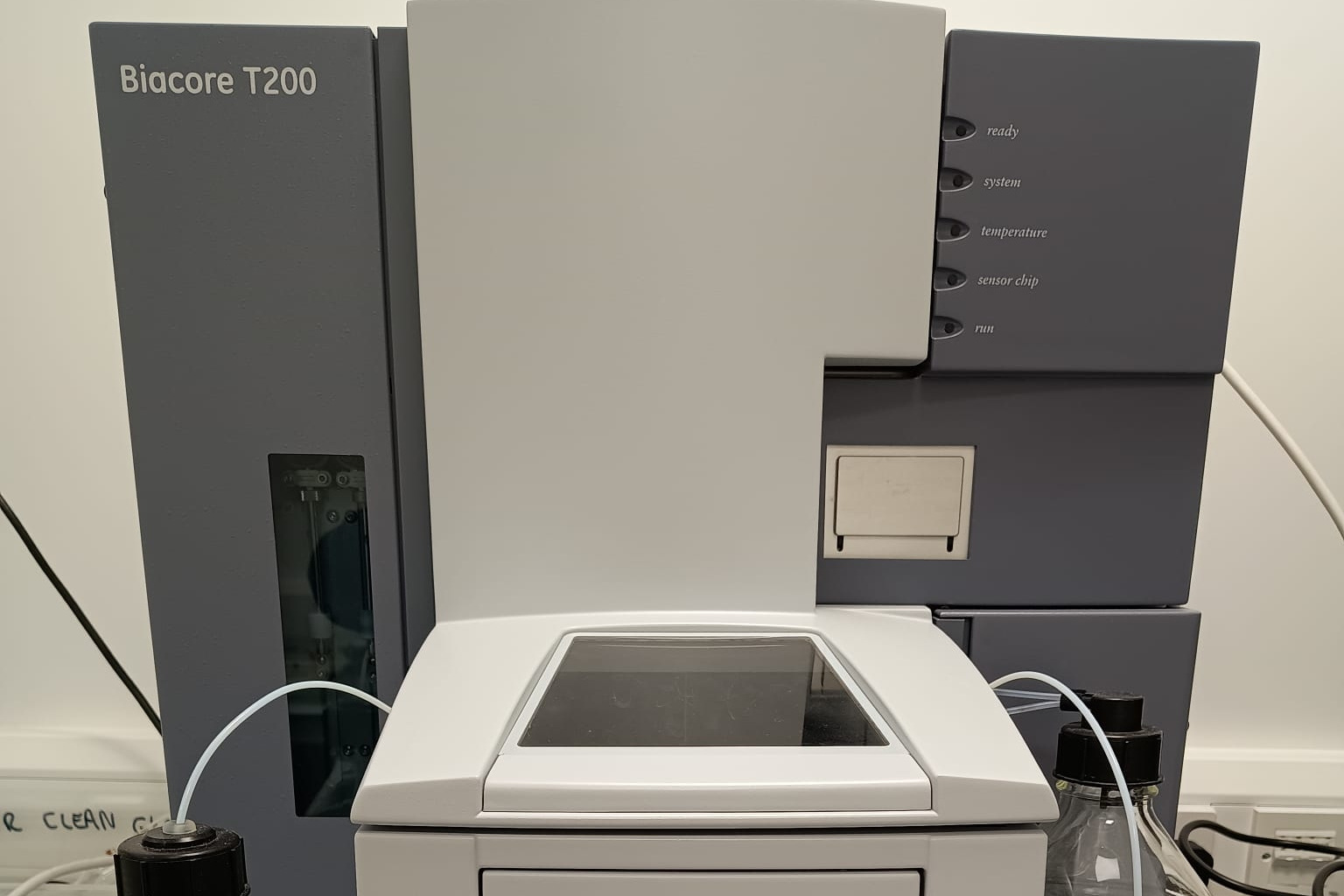
The Biacore™ T200 is a premium surface plasmon resonance (SPR) molecular interaction analysis system developed by Cytiva. Utilizing globally leading label-free real-time detection technology,
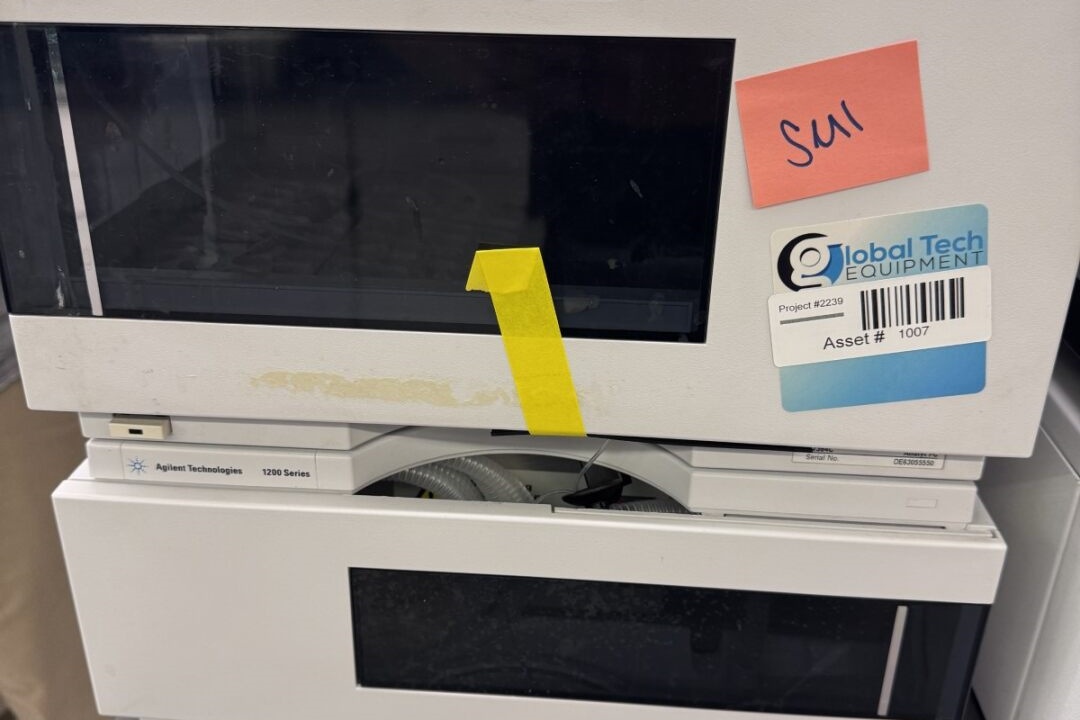
The Agilent 1200 series HPLC system is a precision instrument widely used in analytical laboratories, where the Automatic Fraction Collector (G1364C) and Fraction Collector Thermostat (1330B) serve as critical components of purification systems, playing vital roles in drug development, metabolite research, and biomolecule separation. This article provides a detailed introduction to the performance characteristics, technical specifications, application scenarios, and system advantages of these two devices, offering comprehensive reference information for laboratory professionals.
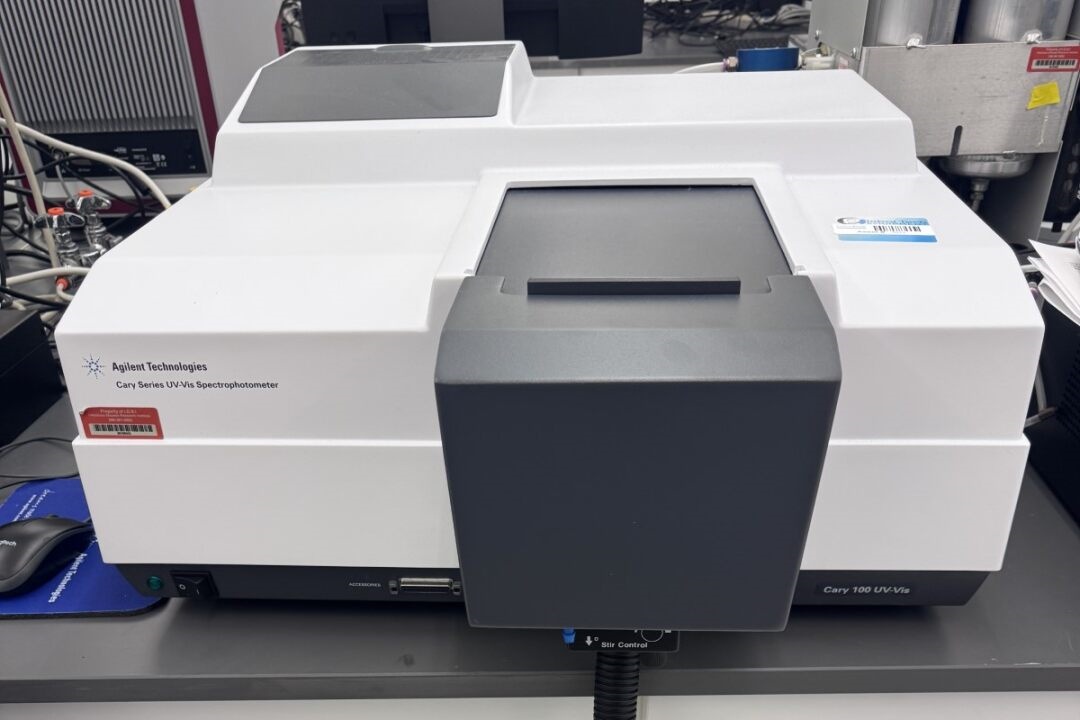
The Agilent Cary 100 is a classic double-beam UV-Vis spectrophotometer, with the G9821A model representing a specific configuration widely used in universities, research institutions, and industrial applications. Known for its high precision, flexibility, and stability, this instrument covers a wavelength range of 190–900 nm, supporting UV, visible, and near-infrared spectral analysis. It is suitable for measuring transmittance, reflectance, colorimetry, and haze in liquids, solids, thin films, and other sample types.
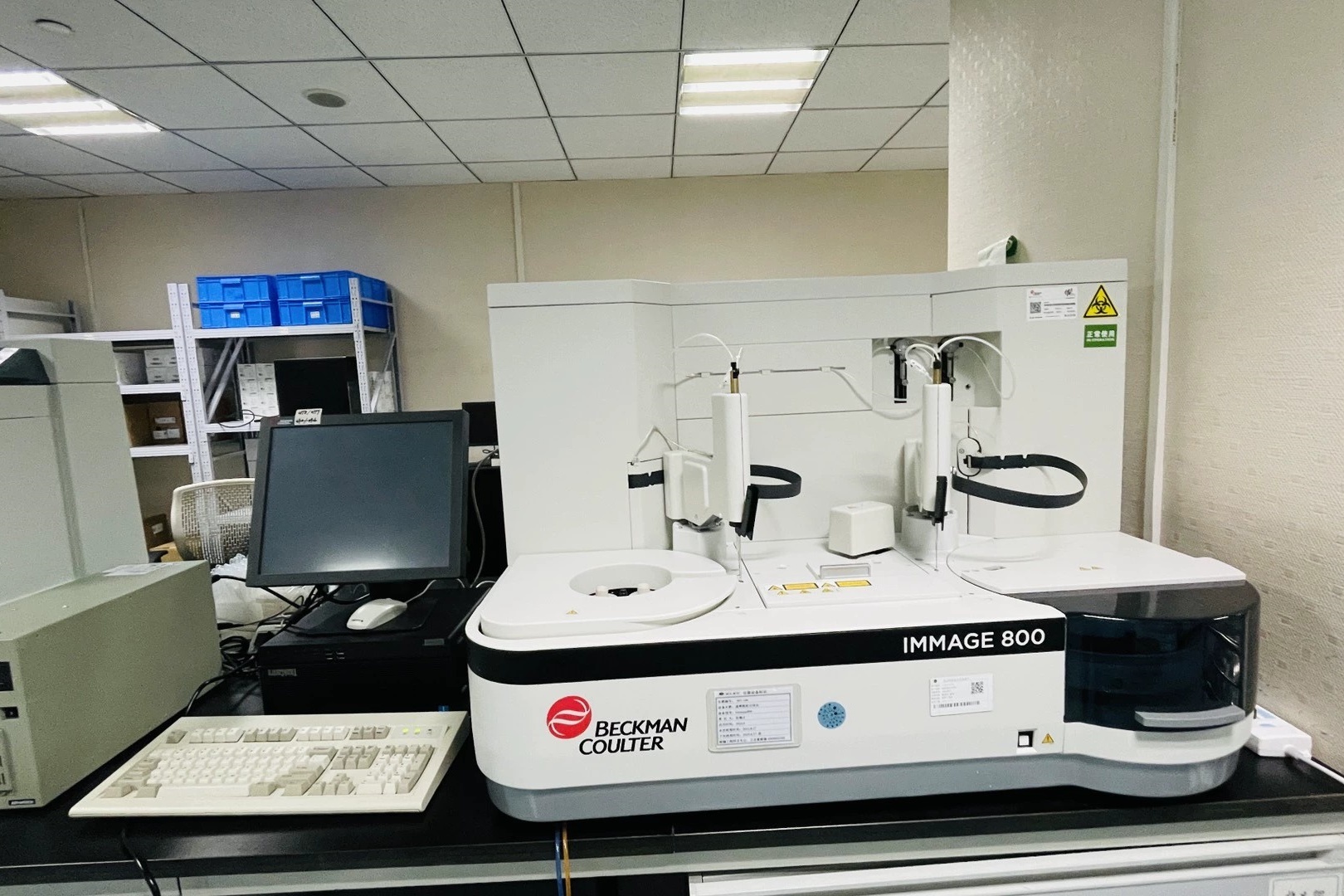
The Beckman Coulter IMMAGE 800 is a fully automated specific protein analysis system that utilizes dual-optical path detection technology (670nm laser and 940nm near-infrared light), combining rate nephelometry and near-infrared particle rate turbidimetry to provide high-precision specific protein testing solutions for clinical laboratories.
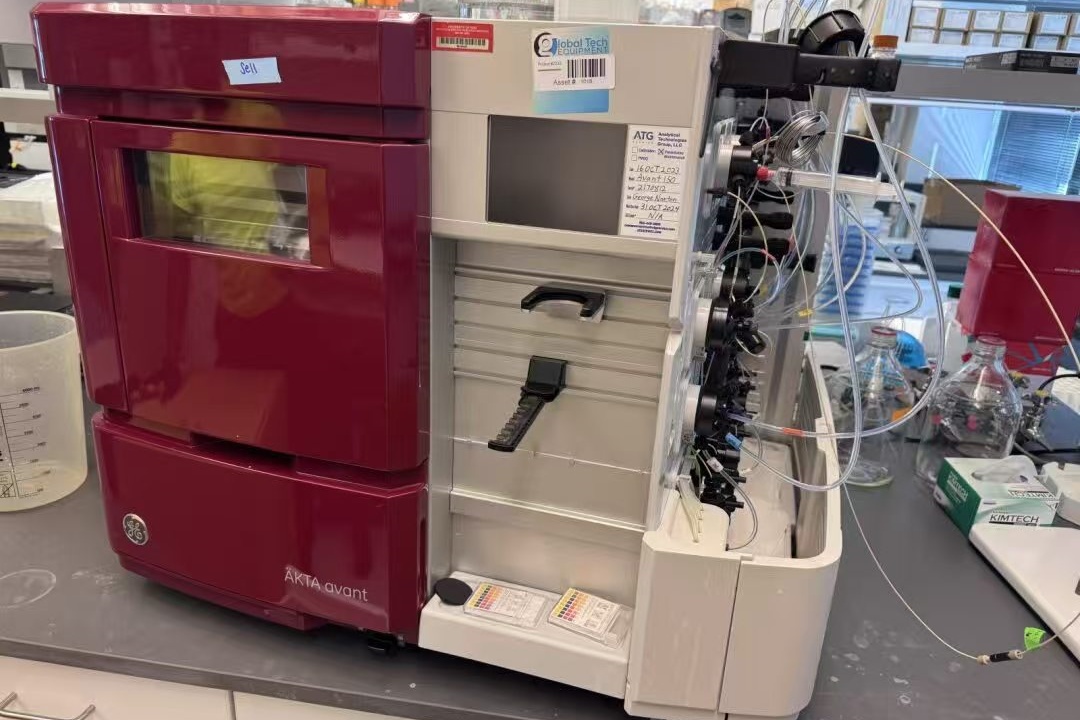
The GE Cytiva AKTA avant 150 is a high-performance, flexible, medium-to-low-pressure chromatography system designed for laboratory-scale protein purification. It is widely used in research, biopharmaceutical development, and process optimization, catering to needs ranging from small-scale screening to process scale-up. Combining automated control, precise fluid handling, and intelligent software, the ÄKTA avant 150 delivers consistent and reproducible purification results.
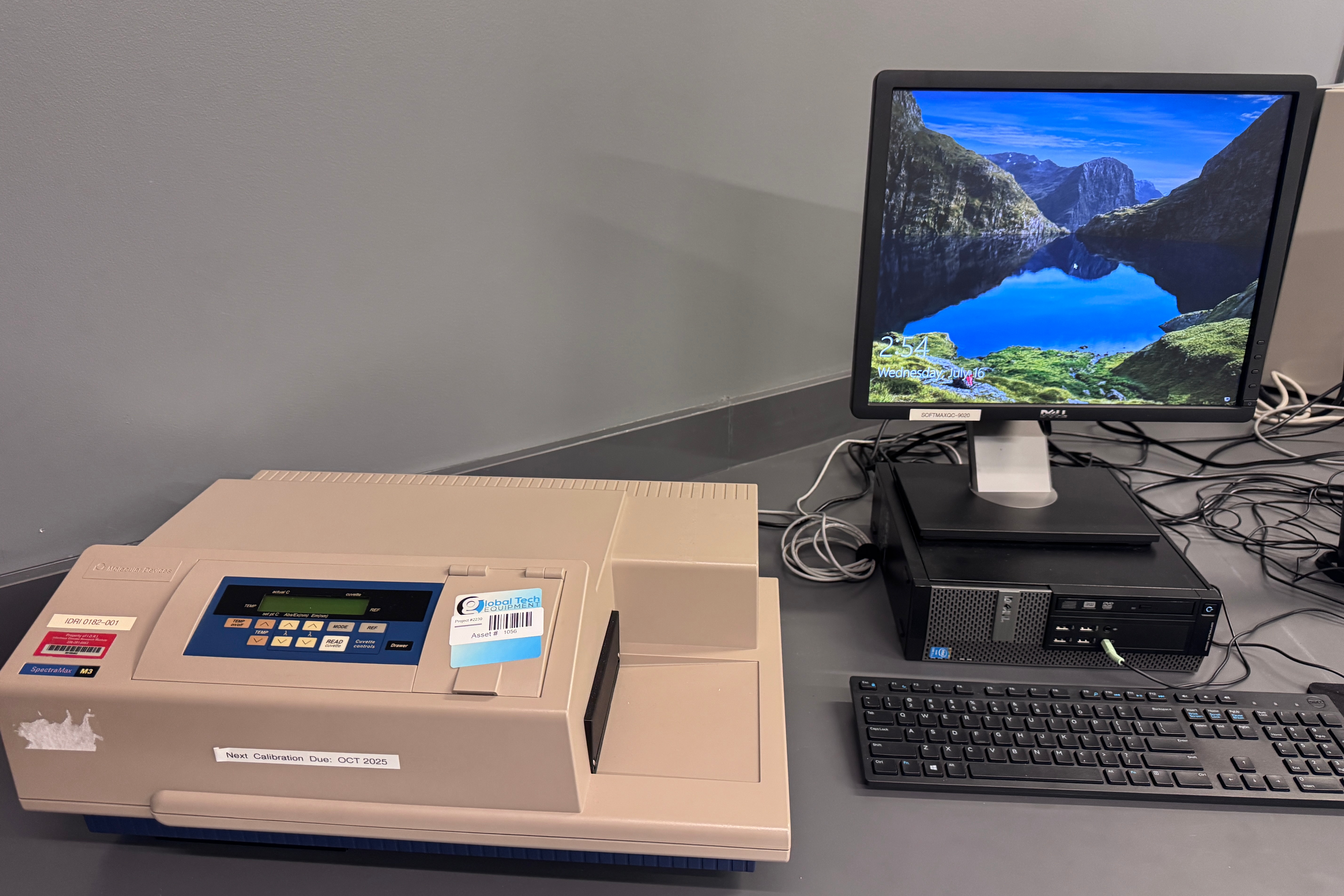
Molecular Devices SpectraMax M3 Microplate Reader is a modular detection platform integrating multi-functional assays and intelligent analysis, widely used in molecular biology, cell biology, drug discovery, and quality control. The following details its core technologies, functional features, application scenarios, and system advantages:
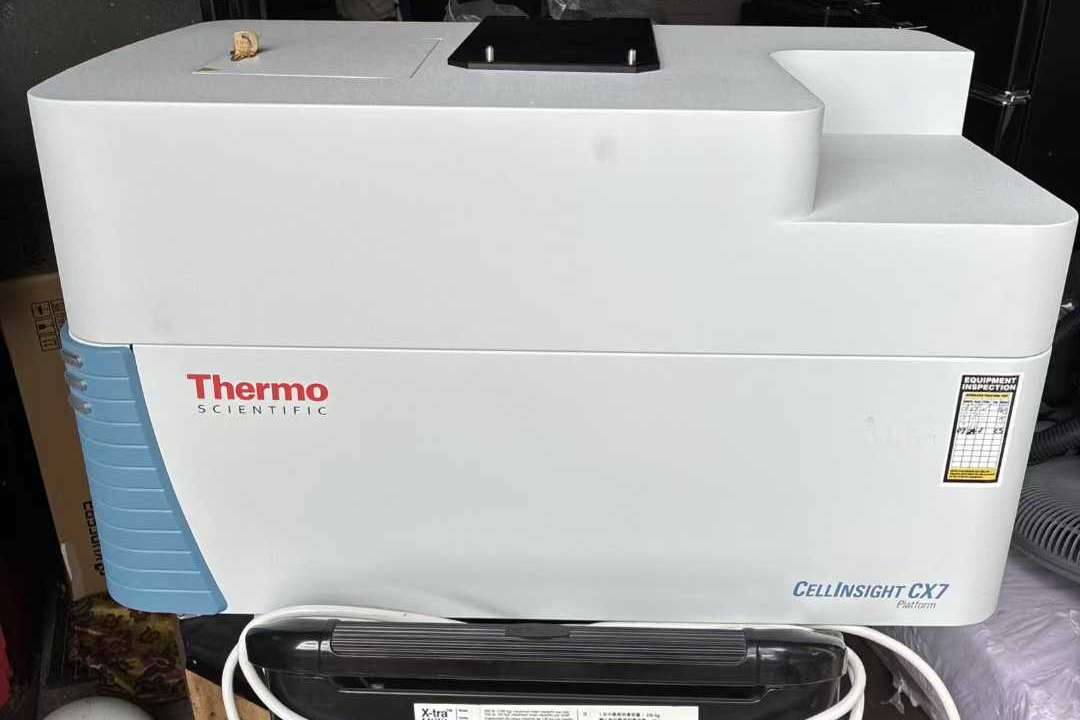
The Thermo Fisher CellInsight CX7 High-Content Analysis Platform is an advanced research instrument integrating automated microscopic imaging and intelligent data analysis, specifically designed for life science research and drug screening. It offers high-throughput, high-precision, and multi-modal imaging capabilities. Below is a detailed introduction covering its core technology, functional applications, and key advantages:
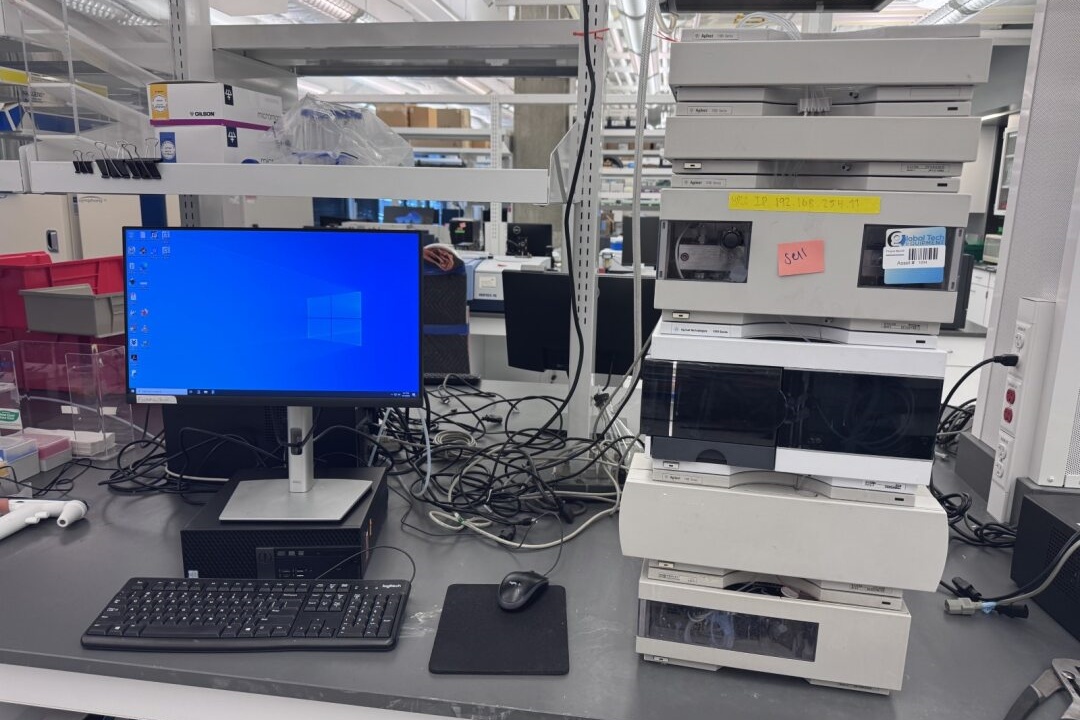
The Agilent 1100 series high-performance liquid chromatograph is a classic HPLC system developed by Agilent Technologies (formerly Hewlett-Packard) and widely used in pharmaceuticals, environmental monitoring, food safety, life sciences, and other fields. The system consists of modular components, including a degasser, quaternary pump, autosampler (ALS), column compartment, diode array detector (DAD), and computer-controlled software. These modules work together to achieve high-precision, high-sensitivity separation and analysis. Below is a detailed introduction to each core component:
